

From the first brief to the last cut-down: the 7 stages of a commercial video shoot in Montreal, with timelines, who does what, and what brands must prepare.
A thirty-second spot looks effortless on screen. Behind it sit weeks of decisions, most of them made long before anyone presses record. Brands that understand the seven stages of a commercial shoot spend less, approve faster and end up with a video that actually works where it is published. Here is how a production really unfolds, from the first brief to the last cut-down.
| Stage | What happens | Typical timing |
|---|---|---|
| 1. Brief | Objective, audience, budget, channels | 1 to 3 days |
| 2. Concept and script | Creative idea, script, storyboard | 1 to 2 weeks |
| 3. Pre-production | Casting, locations, permits, shot list | 1 to 3 weeks |
| 4. Shoot | Filming on set or on location | 1 to 3 days |
| 5. Post-production | Edit, colour, sound, motion design | 1 to 3 weeks |
| 6. Approvals and versions | Feedback rounds, formats, cut-downs | 3 to 10 days |
| 7. Distribution | Launch, paid amplification, measurement | Ongoing |
1. The brief: everything starts with what the video must do
A good brief does not describe the video. It describes the result. Who needs to see it, what should they think or do afterwards, where will it live, and what budget and deadline frame the project. A launch spot for Instagram Reels and a 90-second brand film for a trade show are two different productions, even if they star the same product.
- One measurable objective (awareness, sales, recruitment, event recap)
- The target audience, in one sentence
- Every channel the video will run on, paid and organic
- Mandatory messages, legal mentions and brand guidelines
- A budget range and a real delivery date
2. Concept, script and storyboard
The production team turns the brief into a creative idea, then into a script and a storyboard or mood board. This is the cheapest stage to change your mind: rewriting a scene on paper costs an afternoon, reshooting it costs a day of crew. Approving the script in writing before pre-production starts is the single best way to protect a budget.
3. Pre-production: where most of the budget is really decided
Casting, location scouting, wardrobe, props, equipment and a detailed shot list all happen here. In Montreal, shooting in the street or in a park usually requires a permit for temporary occupation of public property, issued through the city and its official film permit process. When a project needs a face or a voice, an agency with its own roster of creators can cast from people who already have an audience, instead of starting from an open call.
4. The shoot: discipline beats improvisation
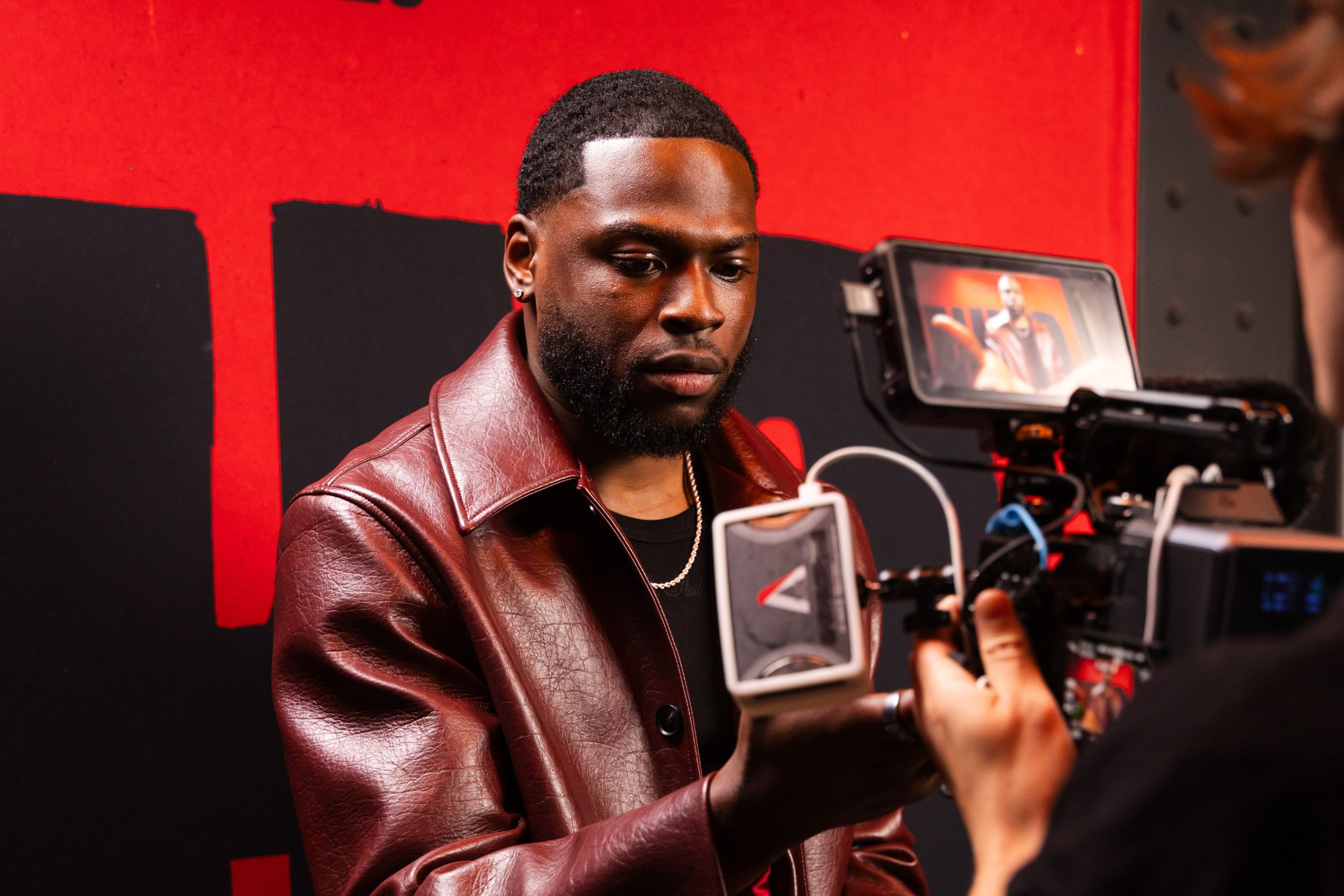
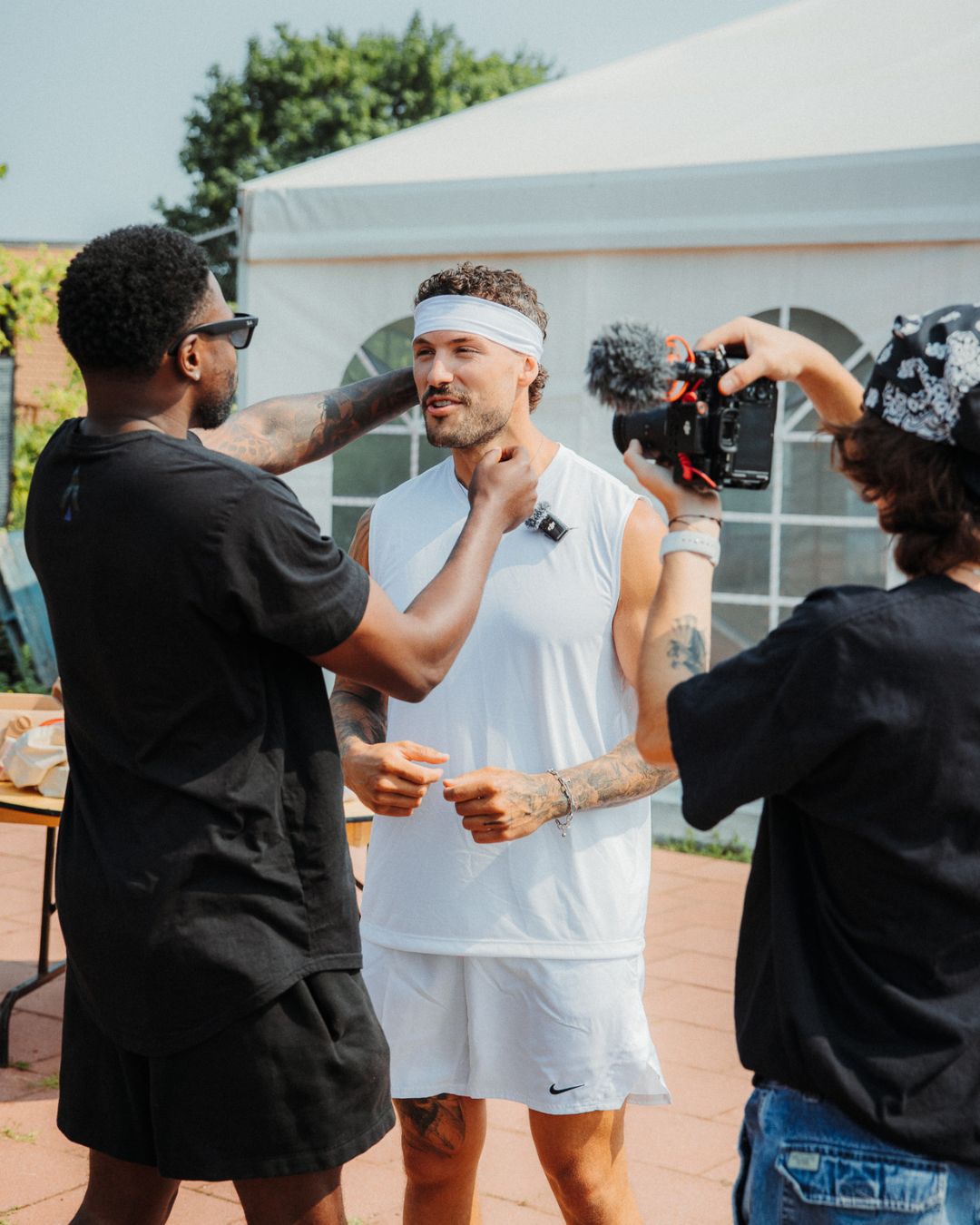
On the day, the director, the director of photography and the crew follow the shot list. A well-prepared set runs on time, which is what keeps overtime off the invoice. It is also the moment to capture extra material: behind-the-scenes clips, vertical takes and stills that will feed social channels for weeks, at almost no additional cost.
5. Post-production
Editing, colour grading, sound design, music licensing, subtitles and motion design turn hours of footage into a finished film. Keeping post-production in-house, with the same team that shot the project, avoids the classic loss of intent between a production company and a separate editing studio.
6. Approvals and versions
Most contracts include two or three rounds of feedback. Group comments from all decision-makers into a single document per round: scattered feedback is the most common reason a delivery slips. This is also when the master film becomes its real deliverables.
| Format | Where it runs |
|---|---|
| 16:9, 30 to 90 seconds | TV, YouTube, website, events |
| 9:16, 6 to 30 seconds | Reels, TikTok, Shorts, Stories |
| 1:1 or 4:5 | Feed posts and paid social |
7. Distribution and measurement
A video only works if the right people see it. Launch plan, paid amplification, creator relays and performance tracking belong in the project from day one, not after delivery. That is exactly the logic behind campaigns like Nespresso's spring promotion, where production and distribution were planned together.
Still comparing partners? Our guide on how to choose a video production company in Montreal and our map of Montreal's top video production agencies will help you narrow the list. Whatever you choose, remember the rule that saves the most money: decide on paper, then shoot.