

Athletes are creators now. Here's why smart sports brands build an influencer strategy instead of relying on jersey sponsorships alone.
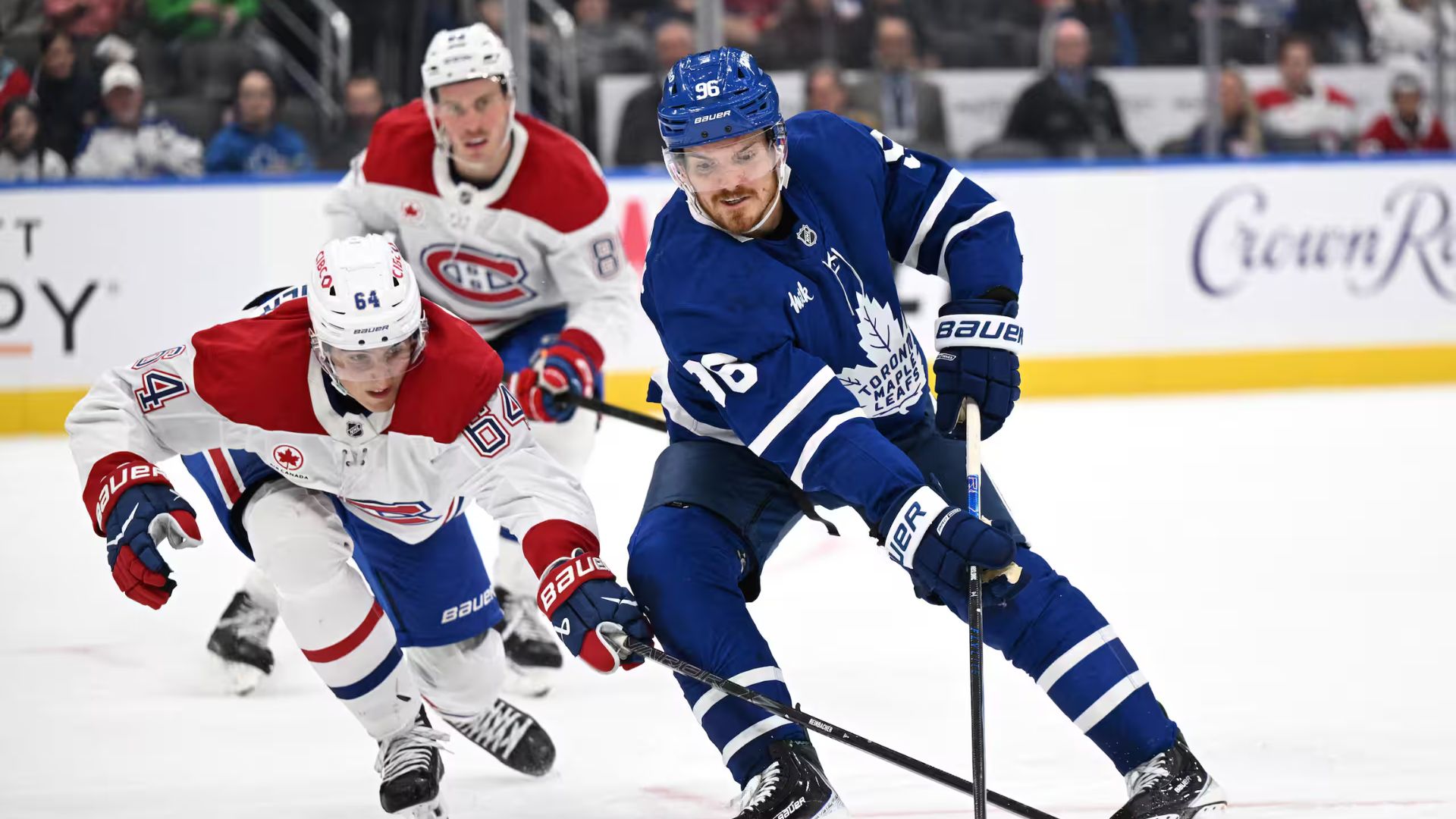
For most of the last decade, sports marketing meant one thing: a logo on a jersey and a media buy during the broadcast. That model is not dead, but it is no longer where the growth is. The 2026 State of Athlete Marketing report from OpenSponsorship found that brand deal sizes with athletes have roughly doubled, and that a majority of those deals are now going to athletes building their own media presence rather than waiting for a team sponsorship to trickle down. The audience has moved to where athletes post, train, and talk, and the brands paying attention are the ones building strategy around that shift instead of around a stadium banner.
This matters directly to how we think about the sports vertical we are building at One Way. Athletes are creators now, whether or not their federation or league has caught up to that reality, and the brands that understand this early get first pick of the relationships that will matter most in three years.
An Athlete's Feed Is Worth More Than a Highlight Reel
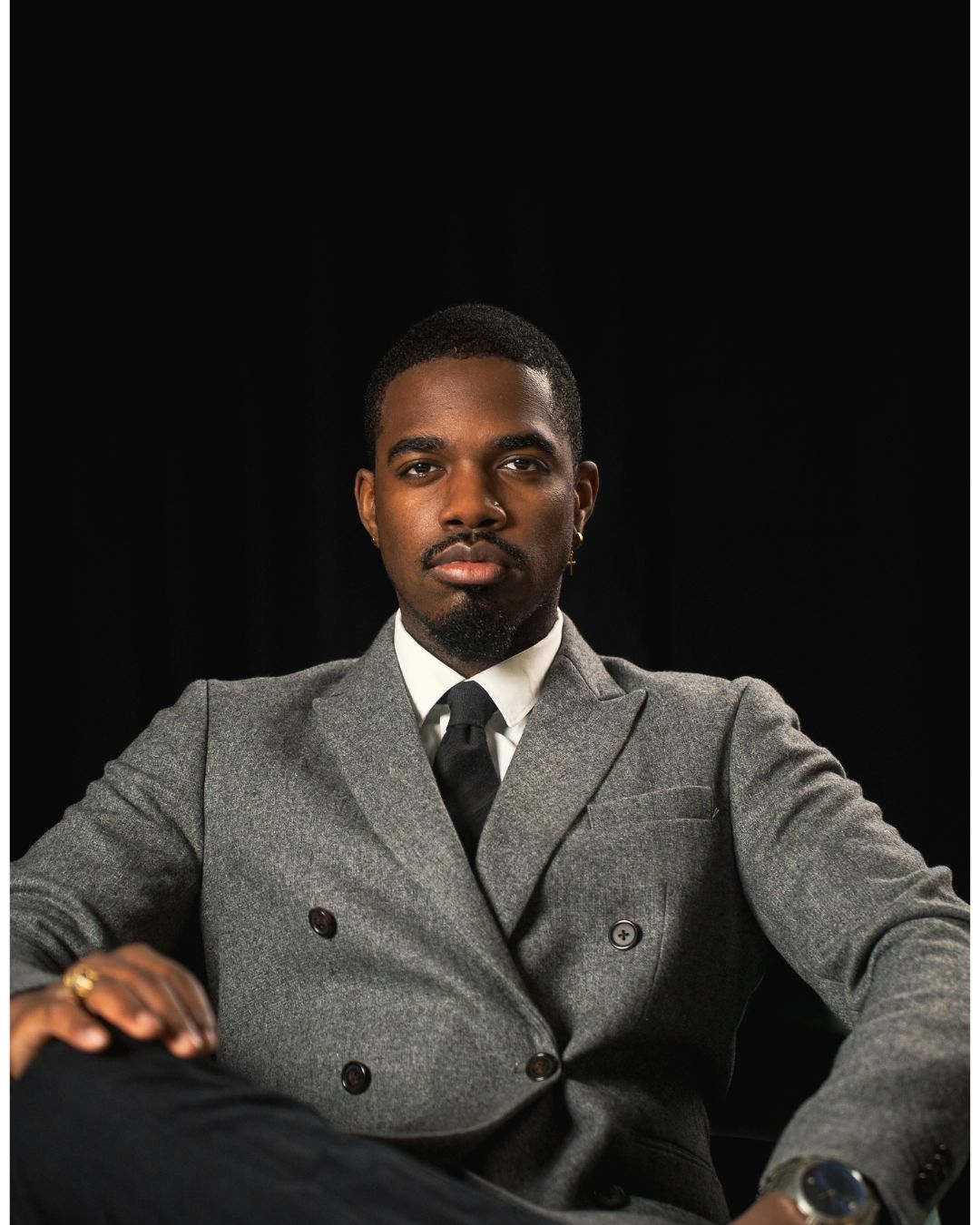
A sponsorship built purely around competition highlights only reaches an audience during the season, and only during the moments an athlete performs well. A content strategy built around who the athlete actually is, their training discipline, the mindset work, the setbacks, the community they represent, reaches that same audience every week of the year, win or lose. Stevens Dorcelus's transition from elite athlete to a voice that brands like Sports Experts, Porsche, and Nespresso actively seek out is a clear example of what happens when an athlete's platform is treated as a media property rather than a logo placement. The partnerships that came after his athletic career, not during it, prove the audience relationship outlasts the competitive one.
View Stevens Dorcelus's Nespresso partnership on Instagram
| Traditional Sponsorship | Creator-First Athlete Partnership |
|---|---|
| Logo on the jersey | Ongoing content built around who the athlete is |
| Visible only during competition | Visible year-round, win or lose |
| Priced like a media placement | Priced on audience trust and engagement |
| Ends when the season ends | Compounds over a multi-year relationship |
Authenticity Is the New Performance Metric
Sports audiences are unusually good at spotting a paid relationship that does not fit. An athlete who has spent years building credibility around discipline and performance will damage that credibility fast by promoting a product with no connection to their world. The reverse is also true: when the fit is right, sports audiences are some of the most loyal and highest-intent consumers a brand can reach, because they already trust the athlete's judgment on nearly everything else.
This is why we start every sports marketing mandate by mapping the athlete's actual audience and values before a single brand conversation happens. A running shoe brand and a recovery supplement brand will resonate with completely different segments of the same athlete's following, even though both are technically "sports" partners.
Women's Sports and Niche Disciplines Are Where the Value Is Being Missed
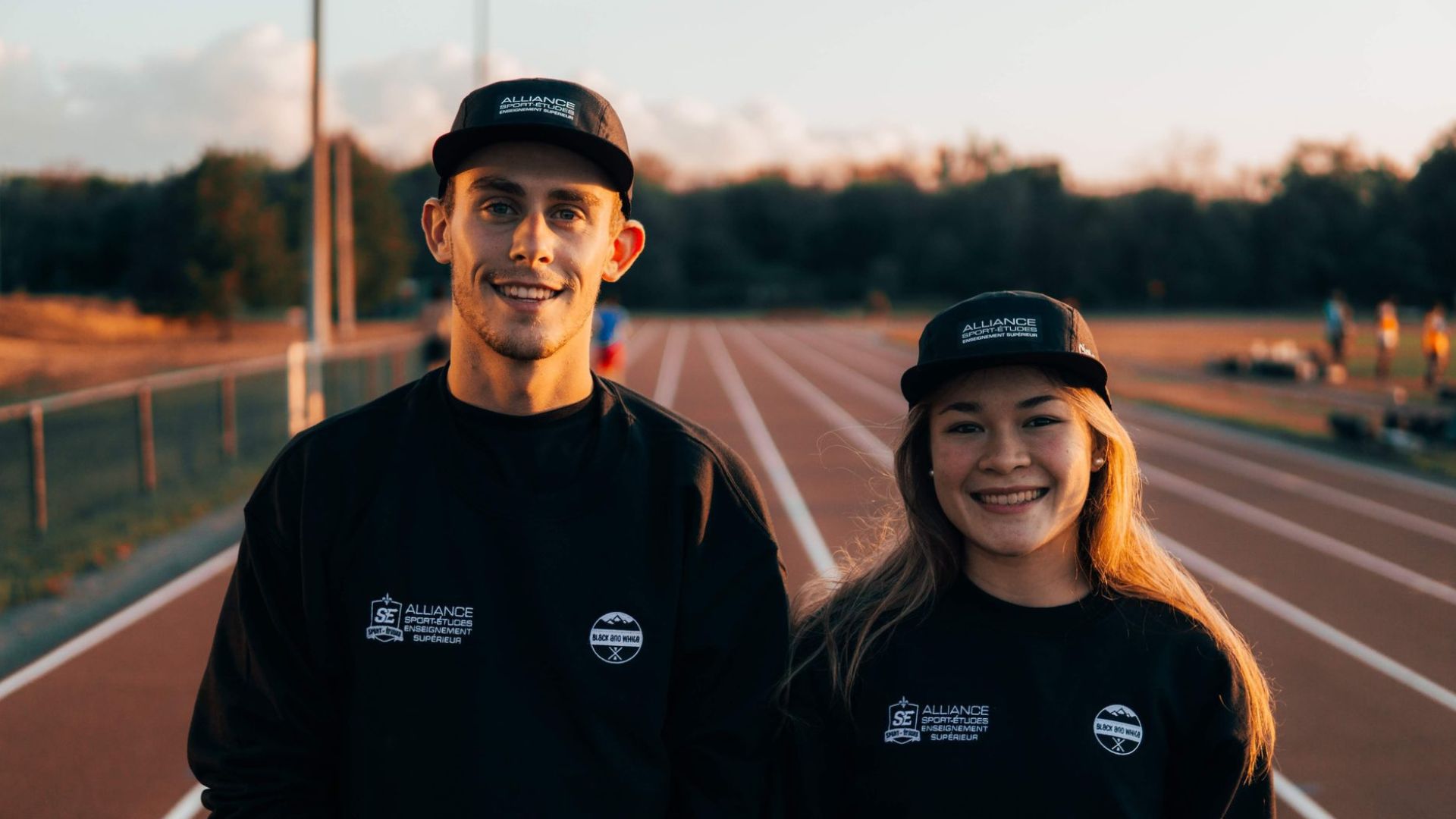
One of the clearest findings from recent athlete marketing data is that female athletes are now capturing a growing majority of brand deals, and niche disciplines outside the traditional big four are seeing disproportionate engagement growth. Quebec has a deep bench of talent in these categories, from combat sports to endurance and adaptive athletics, and most of it is still being valued the way sponsorship was priced a decade ago. Brands that move early into these relationships are getting access to highly engaged, loyal audiences at a fraction of what a comparable partnership costs in a saturated category. The list of Quebec athletes and sports creators actually building this kind of following is longer and more diverse than most brand marketing teams realize.
Building a Sports Strategy That Outlasts a Season
The brands that get the most out of athlete partnerships treat them the same way they would treat any other creator relationship: multi-touchpoint, story-first, and measured against real business outcomes rather than jersey visibility. A single sponsored post during a competition is a media placement. A season-long content arc, built around training, competition, and the athlete's life outside the sport, is a brand story the audience chooses to follow.
As we build out a dedicated sports division at One Way, the thesis is straightforward: the next generation of sports marketing value will be won by brands willing to invest in athletes as creators, not just as competitors. The teams that treat that shift as a genuine strategy, rather than an add-on to a traditional sponsorship, are the ones that will own this category over the next few years.