

With the Canadiens de Montréal season starting September 29, brands waiting until puck drop to activate creator partnerships are already behind.
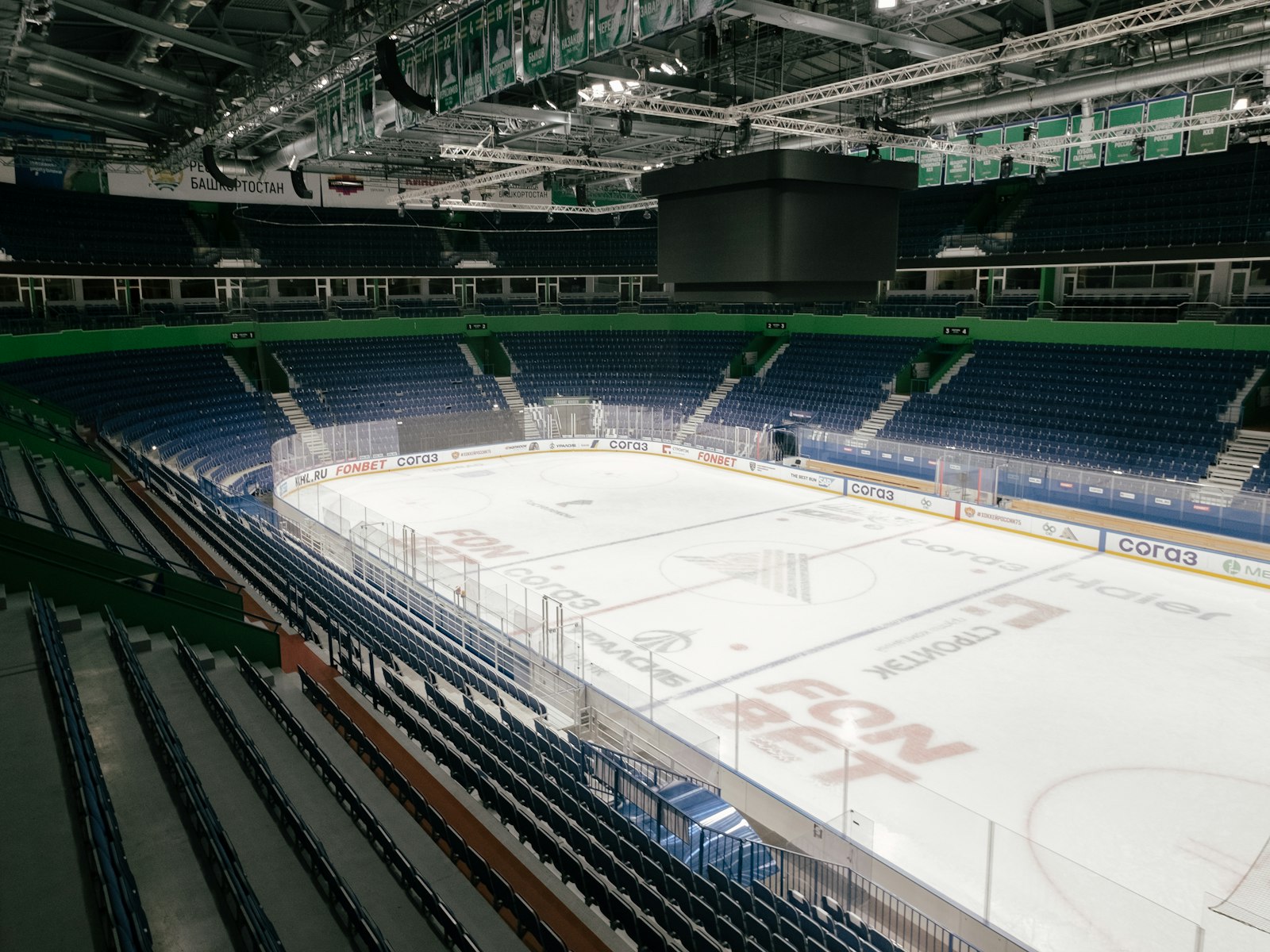
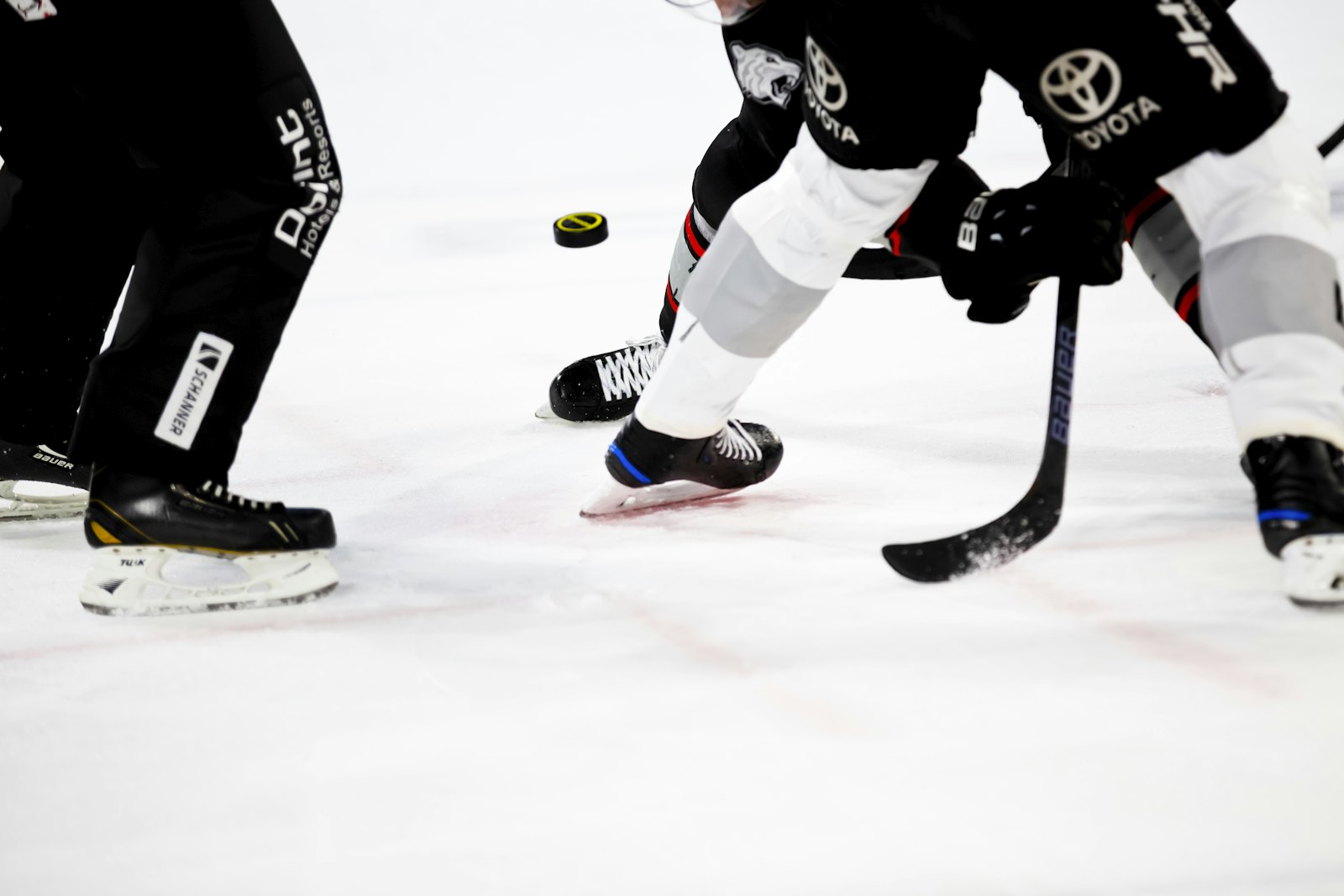
Puck drop for the Montreal Canadiens' 2026-2027 season lands on September 29, confirmed by the NHL's opening-night schedule. That gives brands roughly three weeks to decide how they want to show up around the team that reliably delivers the largest, most emotionally engaged audience in Quebec sports. Three weeks sounds like plenty of time. It is not, and the brands that treat it as an afterthought every October are the same ones asking why their sponsorship barely moved the needle by January.
We wrote recently about why sports brands need an influencer strategy instead of a sponsorship budget, and hockey season is the clearest possible test of that idea. A logo on the boards reaches whoever happens to be watching a given broadcast. A creator partnership built around the season reaches an audience that is already primed to care, for six straight months, whether the team wins or loses.
The Audience Is Already Warming Up
Habs culture in Quebec does not start on opening night. It starts weeks earlier, in preseason chatter, roster speculation, and the kind of content creators post simply because they are fans, not because a brand asked them to. That organic enthusiasm is the highest-value moment for a brand to enter the conversation, because it reads as participation rather than interruption. Arrive after opening night with a generic "go Habs go" post and the audience can tell the difference between a fan and a media buy.
This is exactly where creators who are genuinely part of that culture matter more than a rented celebrity face for one commercial shoot. A partnership built months in advance, with content planned around the rhythm of the season rather than a single game-day activation, reads as authentic because it is.
A Three-Week Runway, Used Properly
Brands that get real value out of a hockey season rarely improvise it. They work backward from puck drop with a plan that treats the season as a six-month content arc rather than a handful of isolated moments.
| Timing | What Smart Brands Are Doing |
|---|---|
| 3 weeks before puck drop | Locking in creator partners who are genuine fans, not just available talent |
| 2 weeks before puck drop | Briefing a content arc for the season, not a single opening-night post |
| Week of puck drop | Publishing preseason and roster-reaction content while enthusiasm is organic |
| Through the season | Treating wins, losses, and rivalries alike as content opportunities, not just the highlights |
Creators Who Live the Culture, Not Just Post About It
Part of what makes a hockey partnership land is choosing a creator whose relationship with the sport was never manufactured for a brand deal in the first place. Stevens Dorcelus's own path from elite athlete to a voice brands actively seek out is one example of what that looks like when the fit is genuine rather than assigned. The same principle applies to any creator whose following already trusts their taste in sport, whether that following was built around competition, community, or simply being a lifelong fan who happens to also build content for a living.
None of this requires an Original Six budget. It requires starting the conversation now, while there is still time to build something that looks like it belongs in the arena rather than something bolted on after the fact. Three weeks from now, the rink lights go up whether a brand is ready or not.