



What actually happens between hiring a video production agency and getting the finished film: 7 steps, realistic timelines, and what each one tends to cost.
Every company that has sat through a vague video production quote knows the feeling: a single line that says production services and a number that seems to come from nowhere. The objections we hear most from marketing directors and founders are always the same: the price feels arbitrary, the timeline feels unpredictable, and the return on investment feels impossible to measure before the fact. None of that has to be true. A video shoot is a process with seven distinct, nameable steps, and once a brand can see each one, the price stops feeling arbitrary and starts feeling like a plan.
- 7 steps, from the first brief to final delivery
- Most brand films take 3 to 6 weeks start to finish
- Budget usually scales with pre-production and crew size, not camera gear
- Agency vs in-house is rarely either or: most brands blend both
Steps 1 and 2: the brief and the concept
A real production starts with a brief, not a shot list. At One Way, this is a working session: what does the video need to do (sell, recruit, explain, celebrate), and who is it actually for. From there, a concept takes shape: the hook, the visual tone, the length, and the formats it needs to live in, 16:9 for YouTube, 9:16 for Reels and TikTok, sometimes both from the same day on set. This is also where budget gets scoped honestly, before anyone commits to a shoot date.
This is the step most companies skip when they try to handle video entirely in-house, and it is usually the one that saves the most money later. A clear brief prevents the single most expensive mistake in video production: reshooting.
A real One Way shoot: Mecanique Northerm's 15th anniversary film, built from a single day on the shop floor.
Steps 3 and 4: pre-production and the shoot day
Pre-production turns a concept into a schedule: locations, permits, talent or employee availability, equipment, a shot list and a realistic call sheet. For a corporate or brand film, this usually takes one to two weeks. For an event or a fast social campaign, it can happen in days.
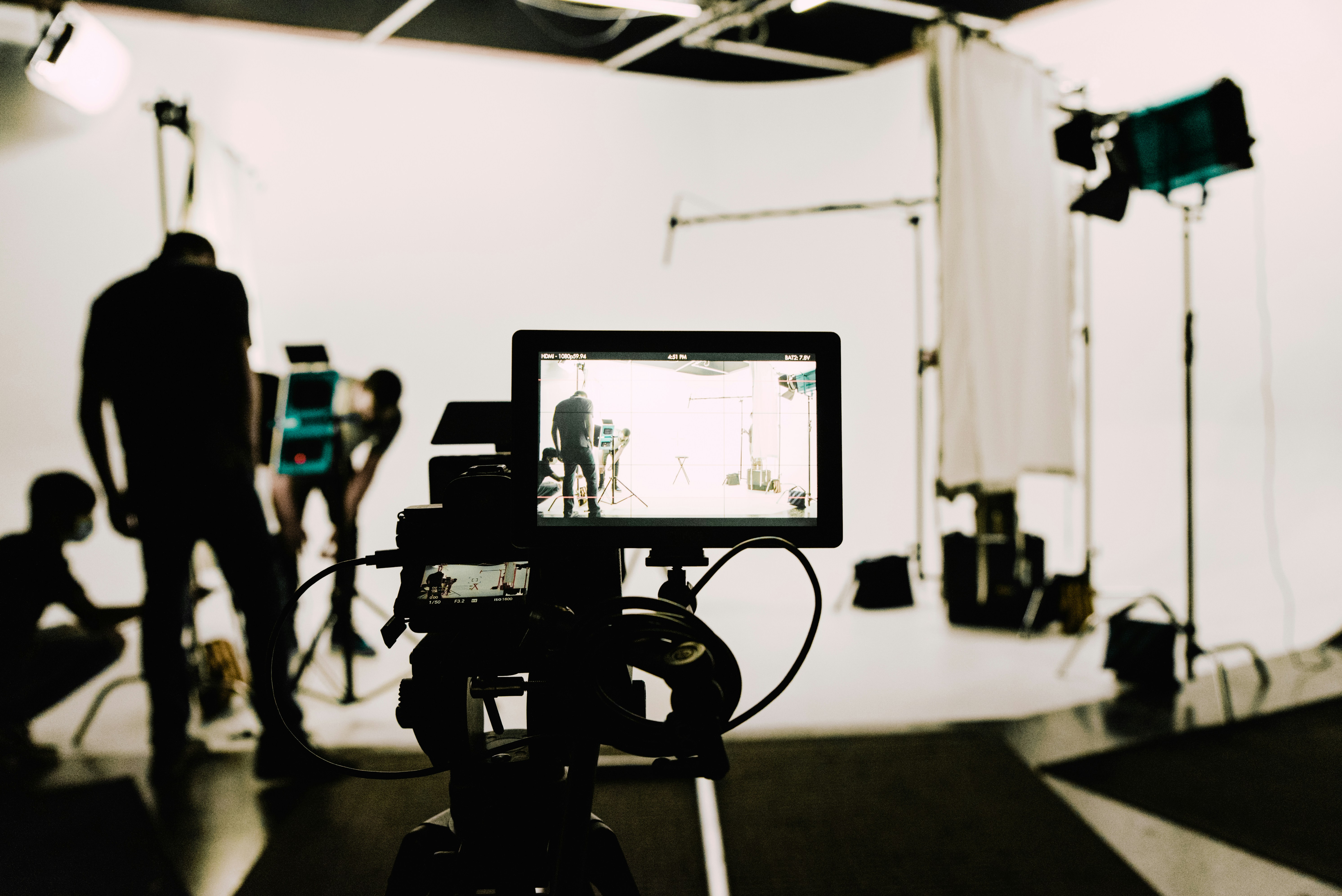
The shoot day itself is often the shortest step, and the one clients see the most of, which is part of why it gets overweighted in budget conversations. A single day with a lean crew can produce a 90-second brand film, a corporate anniversary piece and a dozen vertical clips for social, all from the same few hours on set.
| Step | What happens | Typical duration | What drives the cost |
|---|---|---|---|
| 1. Brief | Goals, audience, budget range | 1 to 3 days | How clear the scope is |
| 2. Concept | Hook, tone, formats needed | 2 to 5 days | Number of deliverables |
| 3. Pre-production | Locations, permits, call sheet | 1 to 2 weeks | Locations, talent, crew size |
| 4. Shoot day | Filming on set | Often 1 day | Crew size and locations per day |
| 5. Post-production | Edit, color, sound, motion | 1 to 3 weeks | Complexity, number of versions |
| 6. Revisions | Client feedback rounds | 3 to 7 days | Rounds beyond the first |
| 7. Delivery | Final exports, all formats | 1 to 2 days | Number of platforms and ratios |
Steps 5, 6 and 7: post-production, revisions and delivery
Editing, color, sound design and motion graphics usually take longer than the shoot itself, often one to three weeks depending on complexity. Then come revisions: almost every brand wants at least one round, and this is where a clear brief pays for itself again, fewer surprises mean fewer costly changes. Delivery means exporting every version a brand actually needs: horizontal for YouTube and the website, vertical for Stories and Reels, captioned for sound off viewing, not a single master file and nothing else.
Agency, in-house, or both
Ninety-one percent of businesses now use video as a marketing tool, and the production split is more blended than most people expect: a large share of companies make some content in-house while bringing in outside production for anything that needs to look and feel premium. An honest comparison looks like this.
| What matters | In-house | Production agency |
|---|---|---|
| Upfront cost | Lower, uses existing staff and gear | Project based, scoped upfront |
| Production quality | Depends on the team's video experience | Dedicated crew, camera, lighting, sound |
| Speed to a polished result | Slower, often a learning curve | Built-in process, faster turnaround |
| Best for | Everyday social content, behind the scenes | Brand films, campaigns, events, client-facing work |
The brands that get the most out of video are not the ones that spend the most. They are the ones that treat pre-production like the real work, and the shoot day like the easy part.
The investment case is not abstract either. Seventy percent of B2B buyers now watch video somewhere in their purchasing journey, according to Vidyard benchmark data cited in Vidico's 2026 B2B video marketing research, well before they ever speak to a sales team. A video is not a nice-to-have at the top of the funnel anymore. It is doing work at every stage of it.
If a brand already knows what a production should feel like but is not sure where to start, our guide to choosing a video production partner in Montreal and our roundup of the city's leading production agencies are both good next stops.
Every mandate is different, but the process rarely changes, and neither does the payoff. One Way's video production team works through all seven steps on every shoot, from the first conversation to final delivery.
