


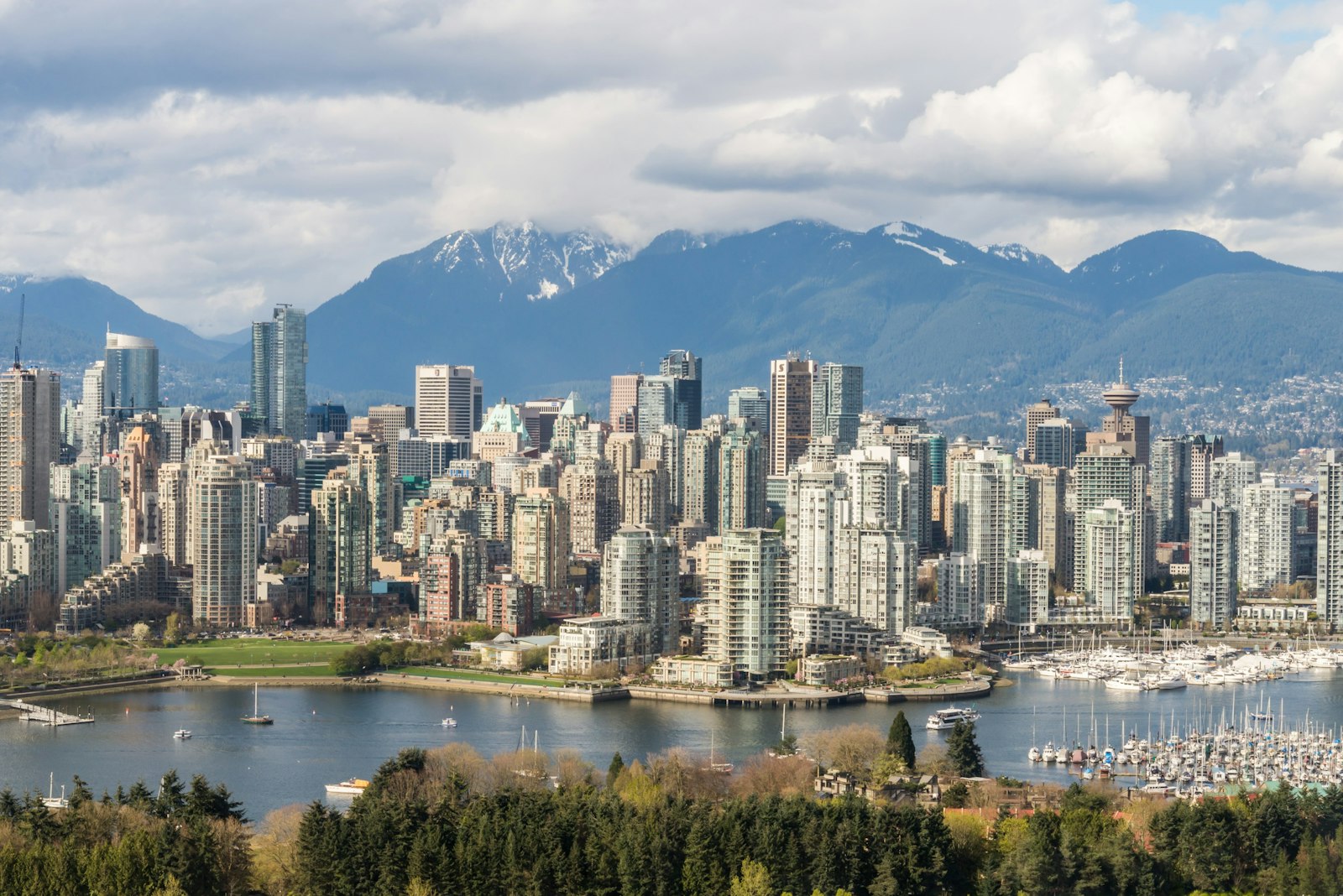

British Columbia has its own generous tax credits. Here is the real reason Vancouver brands still turn to a bilingual creative partner in Montreal.
British Columbia does not need Montreal's help to make its tax credits attractive. The province offers a base film and video tax credit of 35 percent, rising to 40 percent for productions that started principal photography after January 1, 2025, plus a 12.5 percent regional credit on top, calculated on labour costs according to the BC government's own figures. For a Vancouver brand, cost is rarely the reason to look east.
The reason to look east is the market most Vancouver-based agencies quietly miss: Quebec.
- BC's tax credits (35 to 40 percent plus 12.5 percent regional) are already excellent, so cost is not the real question
- Quebec holds the overwhelming majority of Canada's francophone market, which most Vancouver production houses cannot authentically reach
- Montreal sits three time zones east, which extends the working day rather than shortening it
The Market Most Vancouver Agencies Quietly Miss
Quebec is home to the overwhelming majority of Canada's French-speaking population, a market that responds to genuine French-language storytelling, not a dubbed or subtitled version of an English script. Most Vancouver-based production houses do not have French-speaking creative directors, bilingual creators, or a francophone post-production team on staff. We do, because it is the market we were built in.
Quebec's own video production tax credit climbs as high as 43 percent once its bonuses are combined, a figure genuinely close to BC's, which means the financial case for filming in either province is tight. What is not close is the cultural fluency required to make one campaign land in English Canada and Quebec at the same time.
| British Columbia | Quebec | |
|---|---|---|
| Base tax credit | 35 to 40 percent | Up to 43 percent combined |
| Regional bonus | 12.5 percent | Included above |
| Strongest advantage | English Canada, Asia-Pacific access | Francophone Canada, bilingual storytelling |
Three Time Zones, One Production Window
Montreal sits three hours ahead of Vancouver, which in practice extends the working day rather than shortening it. A morning brief from a Vancouver marketing team lands with a Montreal team already a few hours into the day, and a first cut can come back for review before the Vancouver office logs off. For projects that need an in-person shoot, the direct flight between the two cities runs about four and a half to five hours, short enough for a production lead to be on set the next morning.
None of this requires choosing one city over the other. The brands getting the most out of a pan-Canadian campaign increasingly treat Vancouver and Montreal as two ends of the same production, not competitors for the same budget.
What This Looks Like in Practice
A Vancouver brand does not need to move its whole production east. Most pan-Canadian campaigns we support start with a BC-based or in-house English version, then bring us in for the Quebec-specific cut: different creators, different cultural references, a script that was written in French rather than translated into it. The same approach already works for brands expanding from New York, Toronto, and Boston into the Quebec market.
If influencer voices matter more than a produced film for this campaign, our bilingual creator roster and talent request form are the fastest way to get a brief in front of the right people, on either coast.
