

Sydney Sweeney's Novig betting ad sparked backlash from Olympic athletes. Here is the real influencer marketing lesson brands should take from it.
What happened: inside the ad that divided the sports world
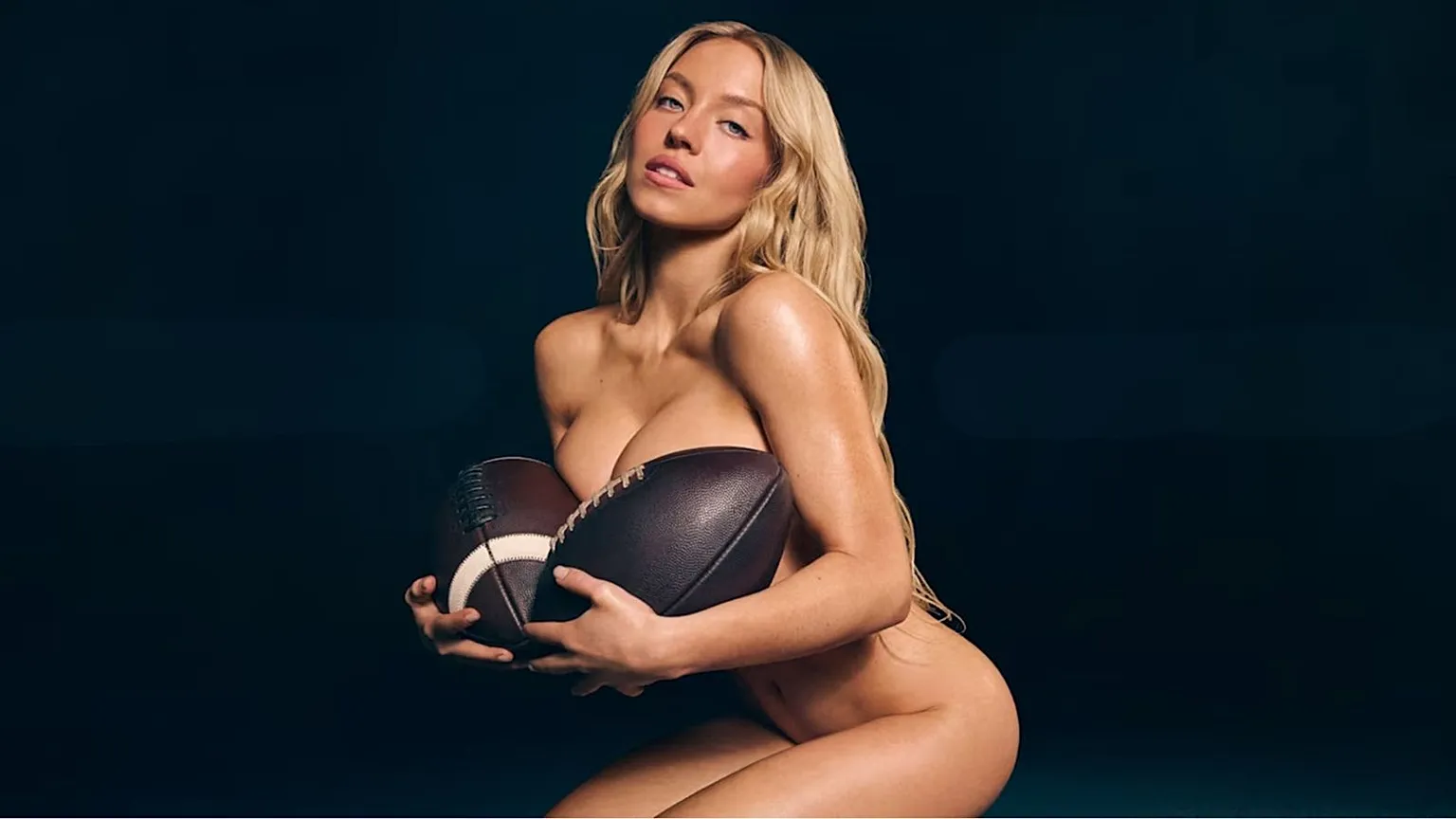
This week's loudest marketing story has nothing to do with a product launch. It is a betting app commercial, and it has become one of the clearest case studies in influencer marketing risk in years. Actress Sydney Sweeney appeared in a campaign for Novig, a US sports prediction market, and CBC News and CNN confirm she is a strategic partner and equity holder in the company, not just its spokesperson.
Within days, the backlash was loud enough to cost her more than 200,000 Instagram followers, according to Variety. What matters for anyone working in marketing is not the nudity itself. It is what happens when a brand borrows the aesthetics of women's sport to sell something that has nothing to do with athletic performance.
Athletes fight back, in their own words
The strongest response did not come from critics or commentators. It came from the athletes whose look the ad had borrowed, answering a staged image with real footage of what their sport actually demands.
| Athlete | Sport | What she said or posted |
|---|---|---|
| Ariarne Titmus | Swimming, 4x Olympic gold medalist | "A kick in the face to every woman who has dedicated her life to perfecting her craft." |
| Amy Hunt | Sprinting, Team GB | Told BBC Sport: "Muscles. Hard work, blood, sweat, tears." |
| Gracie Kramer | Gymnastics, Team USA | Posted her own training footage captioned "this is what a woman in sports looks like." |
| Tilly Kearns | Water polo, Olympic silver medalist | Responded with her own training videos, no caption needed. |
The pattern is the same every time: a real athlete answering a staged image with real footage of what her sport actually costs her.
The reaction hits home in Quebec
The debate has not stayed confined to English-language sports media. Canadian creators picked it up within hours, and their take reveals something the international coverage mostly missed: the frustration is not jealousy over Sweeney's body, it is about who gets believed as a legitimate voice in sport.
Lysanne Richard · QUB Radio
The Quebec high diver and Red Bull athlete offered a measured read on the QUB Radio program: "Je pense qu'il y a eu beaucoup de réactions spontanées qui ne connaissaient pas complètement le contexte. Ce que je trouve positif dans tout ça, c'est qu'on parle du sport féminin, il y a beaucoup d'athlètes qui font des vidéos magnifiques et qui mettent leur performance de l'avant, et c'est le fun qu'on en parle."
In English: many reactions came without the full context, but the positive side is that women's sport is finally part of the conversation, with athletes putting their own performance forward.
The marketing lesson: when a creator becomes an equity holder
Strip away the outrage cycle and there is a real influencer marketing lesson underneath this story. Novig did not simply hire a spokesperson, it gave one of the most recognizable actresses on the planet a direct financial stake in provoking a reaction, a meaningfully different structure than a traditional sponsored post.

"When the person fronting a campaign profits from the backlash as much as from the applause, the incentive to provoke goes up, and so does the risk to everyone associated with the brand."
This is exactly the distinction that separates a shock-value stunt from well-run influencer marketing. Done properly, a creator partnership is built on an audience's trust in that person's taste, not on manufacturing outrage for reach. A brand that leans on controversy for a short-term spike usually pays for it in follower losses and a credibility gap it cannot easily close, exactly what has played out for Novig this week.
What this means for brands working with creators
For any brand marketer watching this unfold, the takeaway is not "avoid bold creative." It is that bold and reckless are not the same thing, and the difference usually comes down to who is in the room before a campaign goes live.
Bold and reckless are not the same thing, and the difference usually comes down to who is in the room before a campaign goes live.
Brands considering a similarly high-visibility partnership should ask the same questions we outlined in our recent guide on choosing an influencer marketing agency: who vets the creative before it airs, and what happens when a campaign backfires. For a market like Quebec, where a large share of engaged social audiences are women who follow sport, fashion, and culture together rather than as separate categories, a campaign this tone-deaf about women's sport is a costly miscalculation, not a clever provocation.
Frequently asked questions
What is the Sydney Sweeney Novig ad controversy about?
Actress Sydney Sweeney, who is a strategic partner and equity holder in the sports betting platform Novig, appeared nearly nude in a commercial for the brand, using sports equipment as her only cover. Female athletes, including Olympic medalists, criticized the ad for sexualizing and trivializing women's sport.
What is Novig?
Novig is a US-based sports prediction market platform where users trade on sports outcomes. Sydney Sweeney is not just its spokesperson, she holds an equity stake in the company.
Is this really an influencer marketing story?
Yes. It is a case study in what happens when a creator partnership is structured around equity and provocation rather than audience trust, exactly the distinction that separates a risky stunt from durable influencer marketing.
The loudest lesson from this episode may be the simplest one: an audience can tell the difference between a woman celebrated for what her body can do, and a woman's body used to sell something else entirely. Brands that forget that distinction do not just lose a news cycle, they lose the trust an influencer partnership was supposed to be built on in the first place.