



%402x.svg)
Netflix vs. Paramount: The Warner Bros. Deal That Could Redefine Hollywood
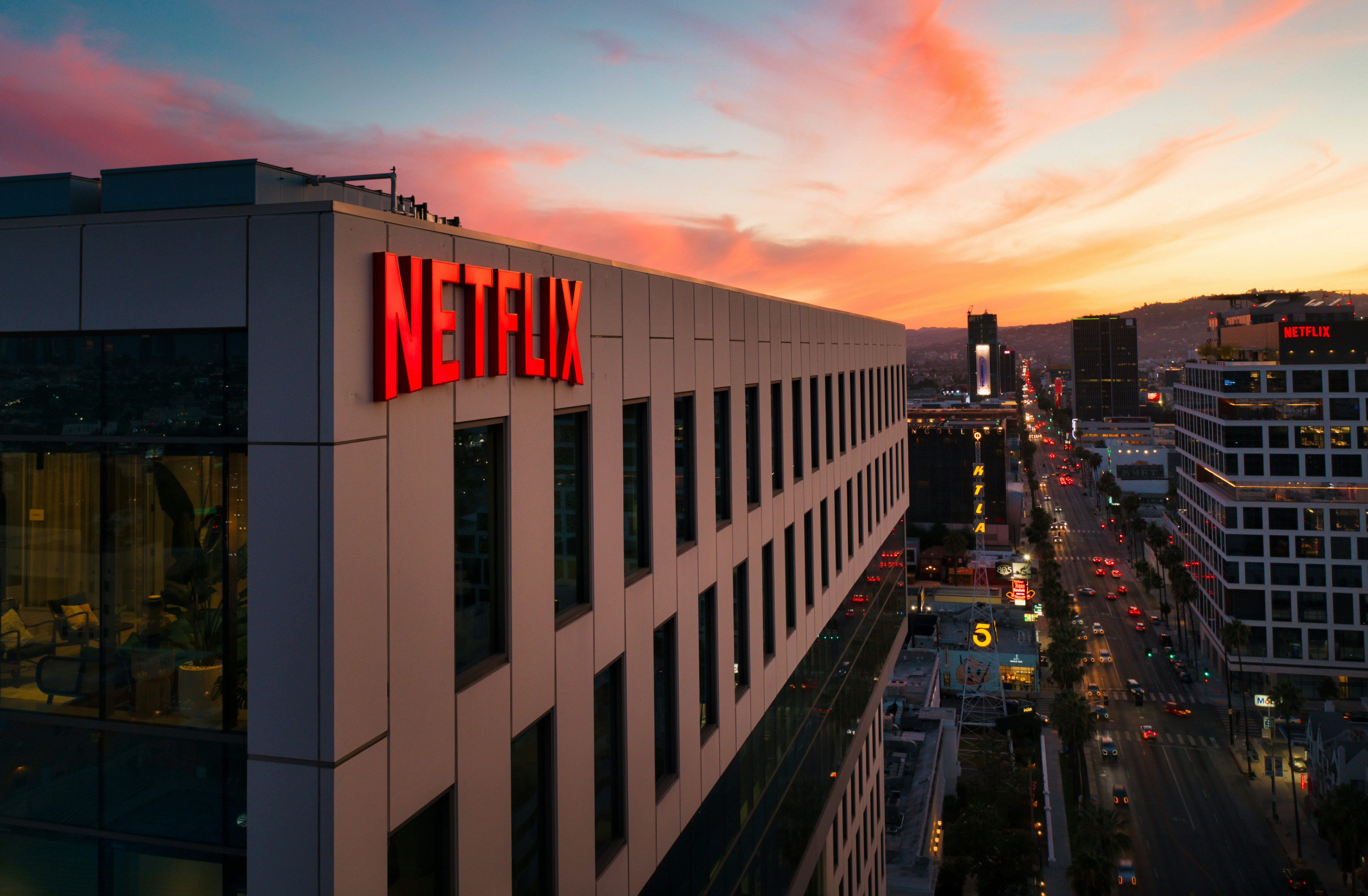
Netflix, Paramount, and Warner: the deal that could reshape the future of cinema
Since early December, Hollywood has been shaken by an unprecedented bidding war surrounding Warner Bros. Discovery (WBD). At stake is one of the most powerful catalogs in the history of film and television, built on iconic franchises such as Harry Potter, the DC Universe, The Lord of the Rings, Dune, and HBO classics like Friends and The Sopranos.
According to several sources, including Hugo Décrypte, Netflix has reportedly submitted an offer estimated between $83 and $87 billion to acquire all or part of WBD. If finalized, the move would mark a major turning point, transforming Netflix from a streaming platform into a full-fledged Hollywood conglomerate, complete with production studios, global IPs, and long-term creative control.

A strategic shift for Netflix
Netflix’s interest is straightforward: strengthening its film division. While the platform dominates subscription streaming worldwide, it still trails legacy studios when it comes to blockbuster franchises and long-term cinematic universes.
Acquiring Warner would instantly give Netflix access to a massive library of films and series, while allowing it to shape the future of globally recognized franchises. For audiences, the impact would be immediate: an unprecedented concentration of premium content on a single platform.
The key question remains: at what cost? Industry observers are already raising concerns about potential subscription price increases, tiered offerings, or premium access models.
Paramount strikes back, with politics in play
The story took another turn in mid-December when Paramount Skydance submitted a counteroffer exceeding $100 billion, targeting the entirety of Warner Bros. Discovery, including its television networks and CNN.
The strategic divide is clear:
- Netflix is primarily focused on studios, films, and intellectual property.
- Paramount is also pursuing media assets, notably CNN, a major player in the U.S. news landscape.
This political dimension adds complexity, especially as regulators closely examine antitrust risks. A Netflix acquisition of HBO Max, in particular, could raise serious competition concerns.

Less competition, more pressure on the industry
Whatever the outcome, analysts agree on one thing: industry consolidation is accelerating. Fewer major players could lead to higher subscription prices and a redefinition of how films are financed, distributed, and consumed.
For the film industry, and for creators, this potential acquisition represents a pivotal moment. Cinema is no longer just about screens and storytelling, but about power, data, and cultural influence.
%401x.svg)
